Consumer Prices Up 0.9% in March
The consumer price index increased 0.9%, as reported by the US Bureau of Labor Statistics on April 10.
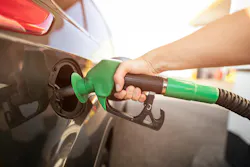
The index for energy rose 10.9%in March, led by a 21.2-percent increase in the index for gasoline, which accounted for nearly three-quarters of the monthly all items increase, the report said.
“As expected, consumer prices popped 0.9% higher in March as gasoline prices (seasonally adjusted) jumped 21% due to oil supply disruptions from the war in Iran,” writes Nationwide Chief Economist Kathy Bostjancic of this morning’s March CPI report. “Looking ahead, we expect a similarly sized rise in headline CPI in April, as gasoline prices look poised to increase another 12% (seasonally adjusted).”
Bostjancic offered this analysis:
As we anticipated, the CPI reading (excluding food and energy) increased only a modest 0.2% as declines in medical care commodities, used car prices and just a marginal increase in new vehicle prices offset buoyant increases in apparel, airfare, and motor vehicle maintenance and repair costs.
The rise in shelter and residential rental costs was a bit firmer this month (0.3% vs 0.2% in February), but rental inflation (as measured by the owners’ equivalent rent component) continued to gradually trend lower on a year-on-year basis, falling to 3.1% from 3.2%. We look for further disinflation in rental inflation, following in line with the slowing pace of home price appreciation.
Looking ahead, we expect a similarly sized rise in headline CPI in April, as gasoline prices look poised to increase another 12% (seasonally adjusted). However, we also estimate a sharp increase in core inflation due to the trueing up of rental inflation after the artificially low reading during October stemming from the government shutdown.
Thereafter April, we look for gasoline prices to gradually decrease as oil supplies start to flow more quickly from the Strait of Hormuz, and as a result the annual pace of inflation should gradually move lower. That said, even if a long-lasting deal to end the war is reached and the Strait of Hormuz is fully re-opened, it would take months for oil, gasoline, diesel and other commodity supplies to snap back to pre-war levels and thus for prices to settle back to pre-conflict levels.