Cold Storage Logs First Negative Net Absorption Since 2007
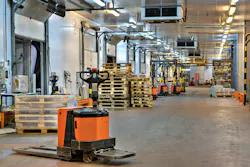
A recently released report from Newmark Research on cold storage and temperature-controlled logistics found that the first half of 2026 delivered the sector’s first negative 1H net absorption since 2007, with approximately 56 million cubic feet of move-outs versus 41 million cubic feet of deliveries, pushing vacancy to 7.7%. pushing vacancy to 7.7%.
However, the report noted that the softness is concentrated in aging legacy facilities while modern space keeps absorbing demand.
The report offers the following analysis:
Absorption has become sharply bifurcated by building vintage: facilities delivered since 2020 have captured nearly all recent demand, while legacy properties have posted sustained negative absorption since 2022. As of 2Q26, legacy assets account for 68% of all vacant cubic feet nationally.
What looks like a softening market at the headline level is, in reality, an accelerating flight to quality, where occupiers are leaving older stock for modern buildings with higher clear height and stronger power capability.
The economics are also driving decisions. Cold storage costs roughly $130–$350 per square foot to build versus $85–$150 for dry warehouse, and weighted average taking rents have grown more than 100% since 2020 to $27.40 per square foot year to date.
That combination is pushing new pipeline activity toward build-to-suit, owner-user and pre-leased projects and drawing some occupiers into owning rather than leasing.
While the market faces nearer-term pressures such as lower grocery unit sales and food inflation risk, longer-term demand pillars are intact and shifting: e-grocery sales rose 21.5% year-over-year in July 2026 while in-store fell 2.6%; GLP-1 and biologics volumes are driving billions of dollars of specialized pharmaceutical cold-chain investment. Newmark’s Market
Durability Index shows growth markets such as Phoenix, Columbus, Kansas City, Nashville, Charleston and Tampa gaining ground on some traditional gateway hubs, supported by growth in consumption, logistics, food manufacturing, power and modern warehouse capacity.
Other survey highlights include:
- Vacancy rates by vintage tell opposite stories: 10.9% for post-2020 product reflects continued lease-up in newer stock, rising vacancy at 8.2% for legacy stock reflects obsolescence risk.
- Size mismatch is extending lease-up times: The average lease signed since 2020 is about 125,000 SF, while the average project under construction is nearly 300,000 SF, leading to longer lease-up times for some cold storage developments.
- Pharma cold chain is a fast-moving segment: Select-brand GLP-1 U.S. sales rose from $7.7B in 2022 to $49.5B in 2025, with temperature-sensitive biologics projected to grow at an 8.3% CAGR through 2033.
- Users on a buying spree: Users have reached a record 36% of buyer share and the result is a market characterized by rapid portfolio rotation, with dispositions tending to be of 1980s-vintage and acquisitions more modern assets.
Newmark predicts that the second half of the year "should fare better on the back of large scheduled move-ins, but vacancy will remain well above the long-term average."