Raw Material Supply Chain Disruptions for Middle East War
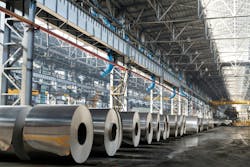
As the war in the Middle East continues, more aspects of the supply chain are under pressure, including raw materials such as aluminum and sulfur.
The following are a few commentaries.
Analysis from Everstream Analytics
As shipping traffic through the Strait of Hormuz remains all but halted, operational impacts have started to spread outside of the Middle East’s oil and gas sector, with companies in sectors such as aluminum, nickel, chemicals, and semiconductor manufacturing warning of production impacts. If energy and raw material shipments in and out of the Middle East remain halted for a prolonged period of time, operational disruptions in many industries are likely to worsen as energy supply is cut off and raw material stockpiles run dry.
Aluminum
In addition to a fifth of the world’s energy shipments, the Strait of Hormuz also handles 15% of global aluminum supply, with aluminum producers in the Middle East accounting for almost 10% of total global aluminum production. While smelters in countries like Saudi Arabia, Qatar, Bahrain, and the United Arab Emirates export around 5 million metric tons of aluminum through the waterway per year, they also rely on imports of raw materials like bauxite to keep aluminum production facilities in the region running.
Major aluminum makers in the region have already confirmed operational disruptions due to the conflict. Aluminium Bahrain B.S.C., which runs one of the world’s biggest aluminum smelters, suspended deliveries to some customers last week after shipping traffic through the Strait of Hormuz came to a halt. The company is looking into alternative shipping routes, but it was not immediately clear when it will resume customer deliveries.
A day earlier, Norsk Hydro ASA, one of the world’s biggest aluminum producers, declared force majeure on supply from its Qatar Aluminium Limited (Qatalum) smelter and announced a controlled shutdown of the facility. The shutdown was triggered by a disruption in natural gas supply and is expected to be completed by the end of the month. No further details about the shutdown schedule have been announced yet, but a full restart of the facility could take between six months to a full year.
Following these announcements, aluminum prices on the London Metal Exchange increased to $3.418 (€2.956) per ton, the highest price since April 2022, with some estimates suggesting that prices could jump as high as $3.600 (€3.113) if regional production disruptions last for several weeks.
Sulphur, which is linked to copper and nickel processing, has been impacted by the way. Aurgus Media offers this analysis.
Sulphur
Sulphur has emerged as one of the most acutely impacted commodities in Argus reporting. A large share of global sulphur exports originates in the Middle East, and vessel backlogs, port disruptions and damage to energy infrastructure have delayed shipments. Some production facilities have also been affected, tightening the market at a time when demand from metals and fertilizers remains firm.
Argus highlights that nearly half of global sulphur exports could face delays if the conflict persists, increasing price volatility and tightening availability for downstream consumers, including copper and nickel processors that rely on sulphuric acid.
Fertilizers & chemicals
Chemicals, including fertilizers, are becoming scarce due to the events in the Middle East, according to an analysis by The Miner.
BMO chemicals analyst John McNulty said the region accounts for roughly 15% of global polyethylene production, meaning disruptions could push industry utilization rates above 90% and potentially toward full capacity.
The sudden supply squeeze has already triggered price increases in the United States and Europe, with polyethylene producers announcing successive price hikes as the industry shifts from oversupply toward tight conditions. McNulty said the shift could boost margins for major producers such as Dow, Lyondell and Westlake, while higher prices for sulphur and other feedstocks may also benefit titanium dioxide producers including Tronox (NYSE: TROX) and Chemours (NYSE: CC).
Fertilizer markets are experiencing similar pressure. BMO analyst Joel Jackson said nitrogen prices have climbed about 30% since the conflict began, reflecting the Middle East’s dominant role in global fertilizer exports. Countries across the region account for nearly half of global urea exports, while Russia and Middle Eastern producers dominate nitrogen supply.
Rising European gas prices and disruptions to Middle East output have widened the cost advantage for North American fertilizer producers, particularly companies such as CF Industries (NYSE: CF) and Nutrien (TSX, NYSE: NTR). While potash markets remain relatively stable, sulphur shortages could eventually push phosphate prices higher as input costs rise.
About the Author

Adrienne Selko
Senior Editor
http://mhlnews.com
Adrienne Selko is also the senior editor of EHS Today and a former senior editor of IndustryWeek.