Supply Chain Maturity Slips as Companies Cross $1 Billion in Revenue

Growth can extract costs, according to new research from the Association for Supply Chain Management (ASCM). As businesses scale, greater complexity can strain existing processes, technology and ways of working. So the $1 billion revenue mark of companies represents a critical growth threshold for supply chain maturity.
The findings are part of ASCM's latest Supply Chain Maturity Report, which also found that the majority of organizations assessed are operating in reactive mode. This means many supply chains remain focused on responding to immediate needs rather than operating more proactively across the business.
"Growth can expose weaknesses that were easy to manage when a business was smaller," said ASCM CEO Abe Eshkenazi in a statement. "Our research shows that there's a point when reacting faster isn't enough. Companies need to build the processes, skills and discipline to stay ahead of the complexity that comes with growth."
The research points to five foundational capabilities associated with stronger supply chain performance:
- Sales and operations planning (S&OP)
- Forecasting
- Inventory management
- Supply chain strategy
- Performance management and continuous improvement
Organizations that are more advanced in all five areas also perform at substantially higher maturity levels across the rest of their supply chain. The finding suggests there is no single fix for supply chain maturity. Progress comes from strengthening these foundational capabilities together.
Skills assessment reveals a workforce disconnect
A new section of the report this year based on ASCM's SCOR-based Organizational Skills Assessment uncovered a notable difference in how managers and frontline employees assess workforce skills. At lower-performing organizations, managers rated their teams higher than employees rated themselves in about one-third of the skills assessed. More mature organizations showed substantially greater alignment between the two groups.
High-performing organizations recorded an 84% manager/frontline agreement rate, compared with 63% among low performers. The findings suggest that companies making greater progress are not only improving processes and technology, but also developing a clearer, shared understanding of the skills their workforce has and the capabilities it needs.
The research points to a practical path forward: strengthen the capabilities that support the broader supply chain, connect improvements to business priorities, and invest in technology and talent before growth creates operational pressure points.
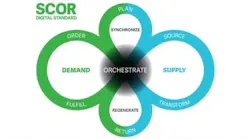
The research is grounded in ASCM's Supply Chain Operations Reference Digital Standard (SCOR DS).